
MERCEDES TECHNOLOGY GUIDE
How Mercedes Drive Pilot Changes the Future of Self-Driving
Mercedes Drive Pilot offers conditional Level 3 automation within an approved operating area. Understand the driver’s role, verify the exact vehicle and market, and separate historical approvals from current availability before making an ownership decision.
Mercedes Drive Pilot performs the driving task only while its approved conditions are met and the system is active. Verify the vehicle and market, learn its operating limits, and remain available to take over whenever requested.
Level 3 does not mean the car can drive itself on any road, in any weather or in every country. Drive Pilot works only inside its approved operational design domain. Outside it, the driver remains responsible for driving.
What Drive Pilot actually changes
Many modern Mercedes models can already steer within a lane, maintain distance and brake for slower traffic. Those functions can feel highly automated, but they remain driver-support systems. The person behind the wheel must continuously watch the road and supervise what the car is doing.
Drive Pilot crosses a specific technical and legal boundary. While it is active, the automated driving system performs the complete dynamic driving task within the conditions for which it has been approved. That is why Mercedes combines the feature with additional sensing, highly detailed maps, redundant control systems and a structured handover process.
The distinction matters because “hands-free” and “self-driving” are not reliable descriptions on their own. A Level 2 system may allow hands-free steering while still requiring constant visual supervision. A Level 3 system can permit eyes-off activity, but only while the system confirms that the road, speed, traffic, weather, map and vehicle state are suitable.
Level 2 and Level 3 are not the same
The easiest way to understand Drive Pilot is to compare it with familiar driver assistance. The difference is not simply a better lane-centering function. It is a different division of work between the vehicle and the person in the driver’s seat.
| Question | Level 2 driver support | Level 3 conditional automation |
|---|---|---|
| Who drives? | The driver drives with steering and speed support. | The system drives while its approved conditions are met. |
| Must the road be watched? | Yes. Continuous supervision is required. | The driver may divert attention as permitted, but must remain available. |
| Where does it work? | On compatible roads, subject to the feature’s limits. | Only inside a tightly defined and approved operating domain. |
| What ends the session? | The driver intervenes whenever support is insufficient. | The system issues a takeover request before leaving its operating domain. |
How Drive Pilot builds a reliable picture
No single sensor is dependable in every situation. A camera may read lane markings and signs well but struggle with glare or obstruction. Radar is strong at measuring distance and relative speed. LiDAR adds precise depth information. Ultrasonic sensors cover close-range objects. Drive Pilot combines these inputs instead of relying on one view of the road.
How the sensors work together
Each layer contributes different information. The system checks them together before it acts.
Read lanes, signs, traffic lights and visible objects.
Measure distance, movement and three-dimensional road space.
Confirm the vehicle’s location and the approved route geometry.
Check speed, system health, road wetness and other operating limits.
Redundancy matters as much as sensing
Drive Pilot is designed around fallback capability. Critical functions such as braking, steering, electrical supply and positioning are supported by redundant systems. If a component or data source becomes unreliable, the car does not simply continue with less information. It evaluates whether Level 3 operation can safely continue and begins a controlled handover when necessary.
Why vehicle condition still matters
Advanced automation depends on ordinary vehicle fundamentals. Stable voltage, clean sensor surfaces, correct wheel alignment, intact camera and radar mounts, and fault-free control units all affect what the system can trust.
After windshield work, collision repair, suspension changes or certain wheel-alignment jobs, relevant driver-assistance systems may require inspection or calibration. A warning should be diagnosed rather than cleared and ignored.
Verify the feature before paying for it
A used-car listing can describe several different functions as autonomous driving. Before treating Drive Pilot as part of a purchase decision, establish which feature the vehicle actually has and whether it is supported where you intend to use it. A familiar steering wheel, large screen or assistance menu is not sufficient evidence.
Separate three questions: was the required equipment fitted, is the function supported for this vehicle, and is it available on the intended roads under the required conditions? A positive answer to only one question does not settle the other two.
| Question for the seller or Mercedes representative | Useful evidence | What the answer establishes |
|---|---|---|
| Does this VIN have the relevant Drive Pilot equipment? | Vehicle-specific equipment information with the actual feature identified. | The fitted specification, rather than a claim based on model name alone. |
| Is the function supported in the intended market? | Current official market information and VIN-specific confirmation. | Whether the ownership plan should include local use of the function. |
| Are activation and software requirements satisfied? | Current vehicle status and the applicable terms confirmed through the supported channel. | Whether additional requirements remain, without assuming an update can overcome a market restriction. |
| Which roads and operating conditions are covered? | The relevant operating instructions and current coverage information. | Whether the function is useful on the journeys the buyer actually makes. |
Do not pay a premium solely because an overseas video shows a similar vehicle operating in Level 3 mode. The video may involve a different market, software version or equipment specification. It may also show a development demonstration rather than the configuration being offered for sale.
For an imported car in Dubai, ask for written confirmation of the supported function rather than a promise that coding will enable it. Hardware presence and local operating approval are different requirements. A workshop fault repair cannot itself create legal permission or manufacturer-supported road coverage.
Where and when Drive Pilot can operate
Drive Pilot does not become available just because the vehicle is on a motorway. The car continuously checks a set of conditions. If one falls outside the approved range, the feature may remain unavailable or ask the driver to resume control.
The route must be released for the system in that market and covered by the required high-definition map.
The vehicle must remain within the traffic scenario and certified speed range supported by that version.
Heavy rain, poor sensor visibility, unsuitable road conditions or other limits can prevent activation.
The required systems must report normal operation, and the driver must be able to respond to a takeover request.
Do not assume that a Drive Pilot-equipped import can use Level 3 mode in the UAE. Availability depends on local approval, map coverage, software, vehicle specification and the exact VIN. Confirm market support before treating the feature as active locally.
What the 95 km/h certification means
On December 17, 2024, Mercedes-Benz announced German approval for Drive Pilot operation at up to 95 km/h in flowing traffic on German motorways under defined conditions. That expanded the feature beyond its earlier low-speed traffic-jam role. It did not convert every S-Class or EQS into a globally autonomous car.
Germany: approval announced December 17, 2024, for the relevant system under defined motorway conditions. This historical approval does not establish current availability for an individual vehicle. Check its VIN, market support and software eligibility.
Understand available active and unavailable states
The system’s status matters more than how smoothly the car appears to steer. Availability indicates that the function can be selected under the relevant conditions. Active operation means it has actually engaged. An unavailable indication can reflect operating limits rather than a defective sensor.
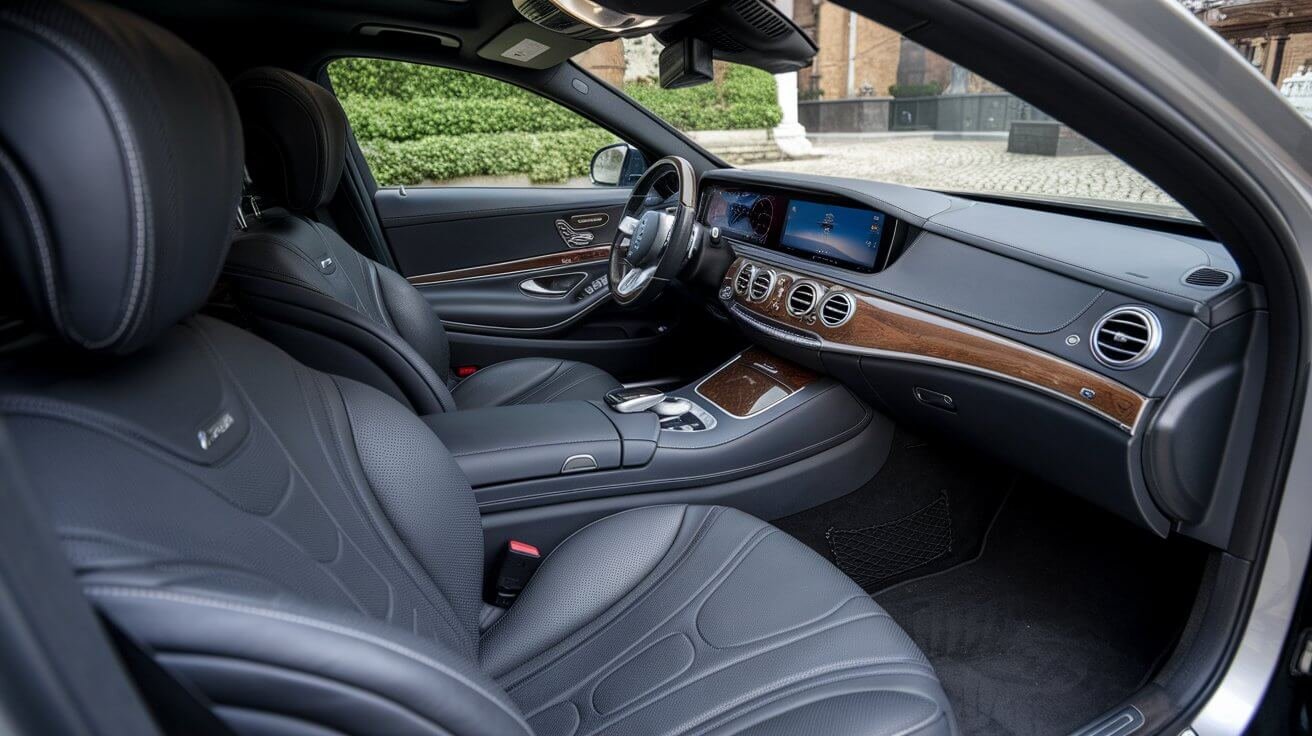
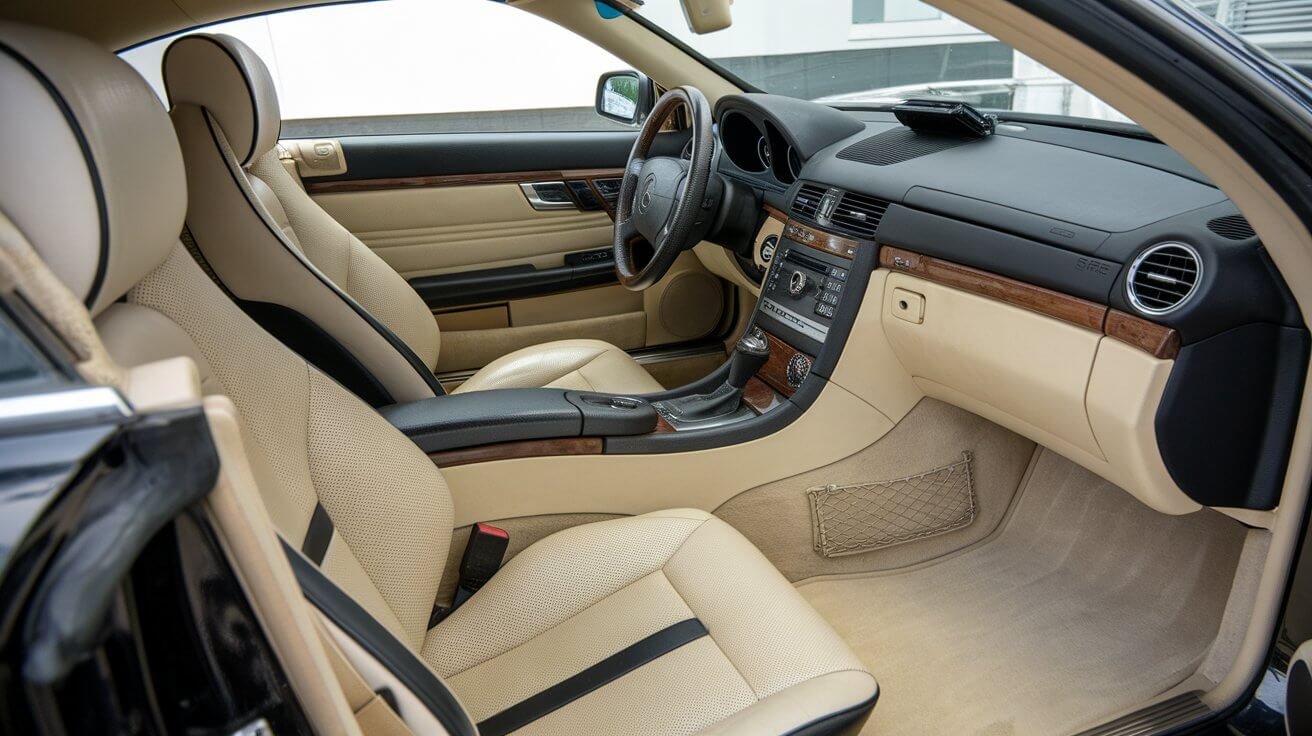
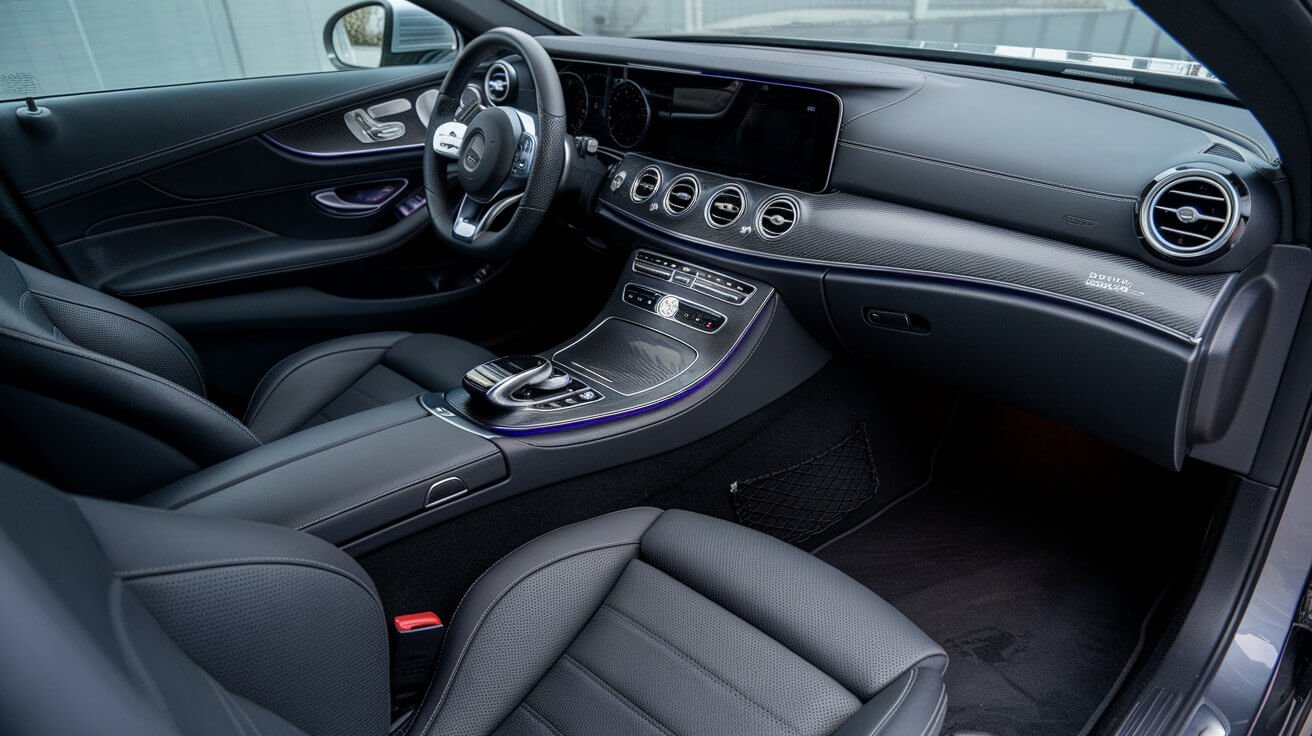
Use the exact owner’s manual to recognize the controls, symbols and prompts in the fitted vehicle. Do not infer the status from a generic cabin photograph or from the fact that cruise control is maintaining speed. Different assistance functions can operate without providing Level 3 capability.
A suitable road does not guarantee activation
Consider a hypothetical owner driving on a road covered by the feature. The vehicle can still determine that another condition is not satisfied. The correct response is to continue driving manually and follow the display, not to force activation or repeatedly test whether the car will take over.
A second hypothetical owner sees the feature become unavailable after conditions change. That alone does not prove a mechanical failure. The important distinction is between a normal operating restriction and a persistent malfunction message that remains under otherwise suitable conditions.
A takeover request changes the immediate task
If the system requests a takeover, follow the vehicle’s instructions and resume control. Do not delay while trying to work out whether the cause was traffic, weather or a sensor condition. The explanation can be investigated after the vehicle is under safe manual control.
A third hypothetical owner has repeated assistance warnings after repair work. This deserves a documented inspection, including the repair history and the precise messages. It does not justify testing the car’s fallback response on a public road or assuming that clearing warning memory proves the repair is complete.
These examples are decision scenarios, not accounts of customer jobs. They show why the same phrase, “Drive Pilot is not working,” can describe a normal restriction, an eligibility issue or a fault. The next action depends on which situation the vehicle is reporting.
What happens when the system needs you back
A Level 3 system must manage the transition back to human driving. The handover is therefore part of the safety design, not an afterthought. The exact alerts and timing can vary by version, but the logic follows a clear sequence.
-
The system detects a limit
Road, traffic, weather, map or vehicle conditions are approaching the edge of the approved operating domain. -
A takeover request begins
Visual and audible prompts tell the driver to return attention and prepare to control the car. -
The driver resumes control
Steering, braking or the instructed control action confirms that the driver has taken over. -
A fallback response remains available
If the driver does not respond, the vehicle follows its designed risk-minimizing procedure rather than abandoning control.
Separate operating restrictions from repair needs
Start with the exact message and the circumstances in which it appeared. Note whether the function has ever operated in the current market, whether the warning followed work on the vehicle, and whether other assistance systems are also affected. Record this information while parked safely.
A useful workshop assessment explains the distinction between eligibility, an operating restriction and a detected defect. A scan can help identify recorded faults. It cannot establish that an unsupported market is approved, and the absence of a stored fault does not prove that every activation condition was satisfied.
| Situation | First useful question | Decision boundary |
|---|---|---|
| Function has never been available locally | Is the VIN and market combination supported? | Verify eligibility before paying for speculative sensor replacement or programming. |
| Unavailable only in particular conditions | Do those conditions fall within the documented operating limits? | A normal restriction may require no repair. |
| Persistent malfunction message | What faults and physical findings support a diagnosis? | Repair the identified defect, then verify the relevant function within its approved limits. |
| Warning after windshield or body work | Which affected systems require inspection or calibration on this vehicle? | Use the vehicle-specific procedure rather than assuming all cameras and sensors need identical work. |
Ask for the diagnostic scope before approving parts. It should identify the affected system, relevant findings and proposed verification. Calibration, software programming and physical repair are different actions; an estimate should explain why the specific action is needed.
There is no annual software-update rule established by this article. An applicable campaign, manufacturer instruction or diagnosed issue can justify programming. A vague promise that an update will unlock every feature or cure any warning is not an adequate technical explanation.
Where a function is unavailable because of its operating limits, no component replacement may be appropriate. Where a defect is confirmed, postponing it can affect the systems involved. Follow the displayed warning and the workshop’s vehicle-specific assessment instead of assuming ordinary manual driving always remains unaffected.
What Drive Pilot means for future cars
Drive Pilot’s biggest contribution may be the framework it established. It forced manufacturers, regulators and insurers to define exactly when an automated system is driving, what the driver must do, how a handover works and how the vehicle records its operating state.
The next stage is not simply “more autonomy.” Useful progress depends on broader road coverage, dependable performance in more weather conditions, clearer cross-border rules, lower hardware cost and better integration with repair and calibration standards. Level 4 systems go further because they do not expect a human takeover inside their defined domain, but they also face a much harder technical and regulatory task.
For owners, the practical lesson is to separate capability from availability. A manufacturer may demonstrate a feature at a higher speed or in a new city long before that function is approved for every customer vehicle. Always check the model year, equipment, software version, supported roads and local rules.
Judge the benefit against your actual journeys
Drive Pilot is most useful to a buyer when its supported operating conditions overlap with journeys that buyer regularly makes. An impressive capability can offer little practical benefit if the relevant roads, market or conditions are absent from daily use.
Before treating the option as essential, map a typical week of driving. Consider the type of roads, how often the function’s conditions are likely to occur and whether the particular vehicle is eligible. This is a practical comparison, not a prediction of how many minutes any owner will gain.
A car with well-matched Level 2 assistance may still be a sensible purchase for another driver. It provides a different type of support and requires continuous supervision. The decision should reflect the function the owner will actually use, rather than treating the highest automation level as automatically the best fit.
Ownership also includes keeping the relevant vehicle systems in the required condition. Ask about inspection after accident repair, the availability of qualified support and the terms attached to the fitted feature. Do not invent a fixed yearly technology-maintenance bill from the number of sensors fitted.
There is no universal resale premium established here. A future buyer may value the feature differently, particularly if the vehicle is moved to another market. Confirm the conditions attached to any transfer or activation rather than assuming that the original purchase configuration settles future availability.
Separate a future demonstration from a customer feature
The title’s future question has two parts. Drive Pilot demonstrates a different allocation of the driving task within a defined operating area. Whether that approach becomes useful to more owners depends on supported coverage, understandable handovers and dependable service support, not simply on a higher speed shown in a demonstration.
When a new announcement appears, identify exactly what has changed. A development target is an ambition. Regulatory approval applies to its stated scope. A sales announcement identifies a commercial offer. Delivery and activation determine what a particular customer can actually use. These stages should not be collapsed into one claim of worldwide availability.
For example, an approval in one country does not automatically apply to a neighboring country. A software improvement for cars already equipped with the required system does not establish that an unequipped car can receive the same function. Ask which vehicles are covered before translating a headline into a buying decision.
My practical view is that clear status information and predictable takeover behavior matter as much to an owner as technical ambition. Drivers need to understand when the function is active, what remains their responsibility and what happens when the permitted operating conditions end.
The practical takeaway: distinguish the automation level, verify the exact vehicle and market, learn the fitted system’s prompts and keep current eligibility separate from historical approvals. That lets you assess Drive Pilot without confusing a useful conditional capability with a vehicle that can drive anywhere without a responsible user.
Mercedes diagnostics in Al Quoz
Seeing a driver-assistance warning?
We can inspect fault memory, vehicle voltage, sensor condition and related electrical systems. We will explain what the car is reporting before recommending repair or calibration work.
Common questions about Drive Pilot
Is Mercedes Drive Pilot fully self-driving?
No. It is SAE Level 3 conditional automation. The system drives only when all approved conditions are met, and the driver must remain available to take over when requested.
Can Drive Pilot be used in Dubai?
Do not assume it can. Consumer availability depends on UAE approval, supported maps, the vehicle’s original market, its VIN, equipment and software. Confirm the current market status for the exact vehicle.
Which Mercedes models have offered Drive Pilot?
Mercedes introduced Drive Pilot on suitably equipped S-Class and EQS saloons. Availability varies by model year and country, and the hardware cannot be inferred from the model badge alone.
Does Drive Pilot work in rain?
Only within the environmental conditions approved for that version. Road wetness, poor visibility, obscured sensors or other unsuitable conditions can keep the system unavailable or trigger a takeover request.
What should I do if an assistance warning appears?
Follow the vehicle’s prompt and resume manual control if requested. If the warning remains, arrange diagnosis. Camera alignment, radar mounting, windshield work, wheel alignment, battery voltage and stored faults can all be relevant.
Sources and scope
The distinction between partial and conditional automation is defined in the ISO/SAE 2021 driving-automation taxonomy.
The German 95 km/h approval announced on December 17, 2024, is described in Mercedes-Benz Group’s Drive Pilot update.
Feature availability, road coverage and driver obligations vary by market and can change. The owner’s manual and market-specific Mercedes information take priority for a particular vehicle.