
Cracks, tears, or lost support
Surface wear, split stitching, and compressed foam need different repairs. We assess the cover and support together so a cosmetic improvement does not leave the seat uncomfortable.
Worn seats, loose trim, or a sagging roof lining can make every journey feel less comfortable. Repair the affected areas with a finish and budget agreed before work begins.
Keep usable material, agree the finish and budget, and review the affected controls after refitting. Start with one damaged area or plan several cabin repairs together.
Al Quoz 4, Dubai · Itemized repair scope · Material choices explained
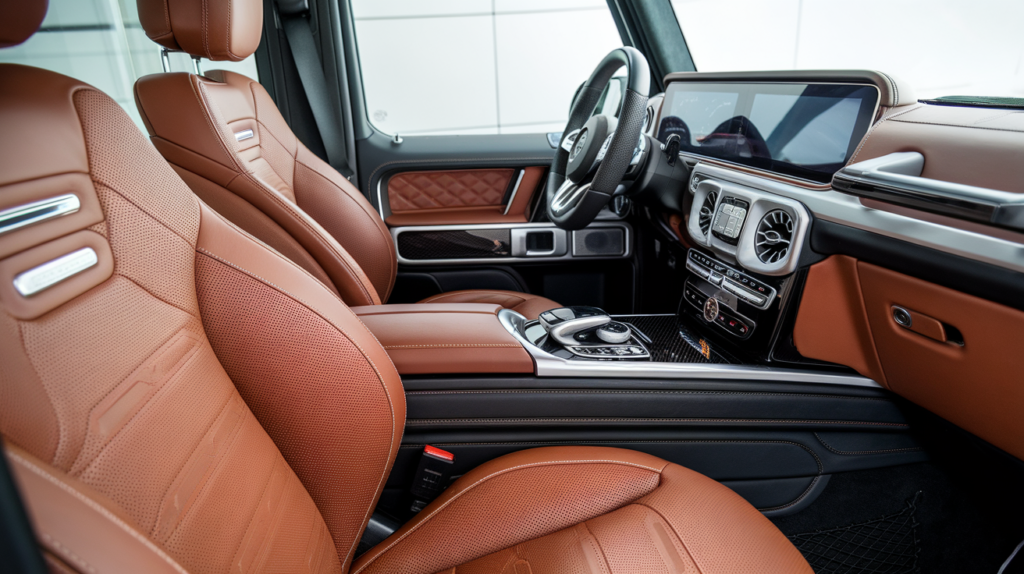
You do not need to book a full retrim to solve one worn area. Describe the damage and how it affects daily use. A photo can help us discuss possibilities, while an inspection confirms the material, access, and condition underneath.
Surface wear, split stitching, and compressed foam need different repairs. We assess the cover and support together so a cosmetic improvement does not leave the seat uncomfortable.
Loose headliner fabric can reflect failed backing, not simply a small unglued corner. The board, roof fittings, and sunroof area determine how much removal and replacement is needed.
Door pulls, console panels, and steering wheel coverings receive constant contact. We distinguish dirt from failing coatings and assess whether refinishing will preserve texture and markings.
A loose clip may need a small repair. Broken mounts or water-damaged underlay need further work. We investigate the source before covering it with a fresh surface.
Cleaning the top surface may leave moisture in the underlay. If the cabin smells damp or the floor becomes wet again, discuss leak investigation before new carpet is fitted. Removing the affected lining can reveal damage that a photograph cannot show. Cleaning, drying, underlay replacement, and repairing the source should appear as separate tasks where needed.
Thick recoloring, glued seams, replacement clips, or an earlier retrim can affect how a new repair bonds and looks. Tell us about any previous work you know of, but do not worry if the history is unclear. The inspection should establish what is serviceable before a finish is selected. Removing an unsuitable old coating may add preparation time.
The right choice depends on the condition around the damage and the result you expect. We compare the alternatives before dismantling, including whether a repaired area is likely to remain visible beside aged material.
For limited scuffs, coating wear, a serviceable seam, or a loose panel with sound mounting points. Retaining usable material can reduce replacement work and keep more of the existing cabin finish.
Best when the surrounding surface remains flexible and stable. Brittle backing, widespread peeling, or earlier heavy coatings can limit the result.
For a torn bolster, damaged door insert, failed switch cap, or headliner fabric that cannot be restored reliably. The repair is defined by the affected component rather than the whole interior.
Compare material, grain, seam position, and availability. A new panel may contrast with nearby surfaces that have changed color through use.
For several worn areas, a previous mismatched repair, or a planned change of appearance. Seats, door inserts, roof lining, and trim can be quoted as separate items within one project.
Agree the intended finish before ordering materials. A coordinated project usually needs more workshop time, and custom choices can affect future replacement matching.
These are planning estimates in AED, including VAT, materials, and normal labor for the stated work. They are not fixed offers for every model. The written quote identifies the exact area, repair method, chosen materials, and total.
Access, hidden damage, special stitching, previous repairs, and parts availability change the price. Electrical faults, airbags, structural seat repairs, water-leak repairs, and additional cabin areas are separate unless listed.
For a focused two-area refresh, allow around AED 1,450–2,350 for one door insert and a steering wheel rewrap, based on the scopes below. A complete cabin needs a separate itemized quote identifying seat count, roof lining, trim, materials, and any support repairs.
Per affected area. Preparation, suitable local repair, and color blending where the existing material remains sound. Panel replacement is excluded.
Replacement of one agreed upholstery panel, including material, the specified seam pattern, cover removal, and refitting. Extensive foam, ventilation, or restraint work costs extra.
A conventional cabin roof lining with removal, preparation, fabric, and refitting. Panoramic-roof complexity, a damaged board, and sunroof mechanisms require a separate assessment.
Per door for the agreed insert or trim repair, normal removal, and refitting. New complete panels, switches, and extensive broken mounts are excluded.
For an agreed repairable surface. Full dashboard replacement, airbag deployment damage, screens, and electronic modules are outside this allowance.
Existing rim covering with agreed material and stitching. Airbag covers, heating faults, switches, and structural wheel damage are not included.
For a defined accessible panel, clip, or coating concern. Replacement assemblies and investigation requiring extensive dismantling are quoted separately.
Planning allowance for localized foam support work on one seat, with normal cover removal and refitting. New upholstery, frames, motors, heating, and restraint components are separate.
Choose cleaning and drying, a damaged section replacement, or a larger floor covering renewal according to the condition. The quote identifies the floor area, underlay, access, and disposal. Leak tracing and repairs are separate.
Planning allowance for an agreed small group of repairable coated trim pieces. Cleaning is suitable only when the coating is sound. Failed coatings may need refinishing; illegible or damaged caps may need replacement. Electrical switch repairs are separate.
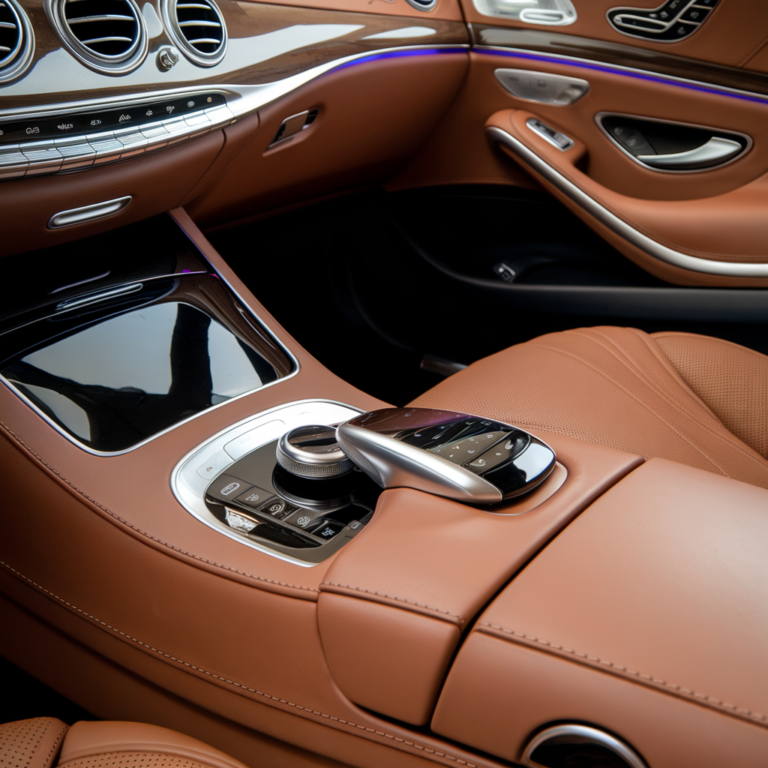
Leather, ARTICO or MB-Tex synthetic upholstery, and specialist fabrics need different repair materials. We identify the fitted covering before selecting a treatment. Perforated seats also need a covering suitable for their ventilation and comfort features. A leather repair product is not automatically suitable for synthetic trim.
Compare the proposed finish with nearby panels in suitable light. Sun exposure and cleaning products can change an original color, so a perfect invisible match cannot be promised.
A smooth replacement may look wrong beside textured material. Thickness and flexibility also affect edges, seams, and comfort. Discuss the sample before committing to a larger area.
Thread shade, spacing, pattern, and ventilation holes are part of the specification. Decorative changes must not interfere with safety seams or fitted comfort features.
Where a component needs replacing, compare a genuine part with a suitable alternative when available. The quote names the proposed part or material so you can compare the actual choice and price.
For damage limited to seating, our Mercedes leather seat repair service explains seat-specific options in more detail.
Small repairs may take part of a working day, while removal, material preparation, stitching, curing, and refitting can require one to several days. These are planning allowances. We confirm the schedule after inspection and material availability checks. Agree samples before material ordering. Ask whether you can keep using the car while materials arrive; this depends on its condition and whether dismantling is necessary. Once seats, controls, or roof trim are removed, plan alternative transport until safe refitting is complete.
Review the visible damage, adjoining panels, mounting points, and fitted features. Identify existing faults before removal. If hidden damage is likely, explain what can only be checked after access.
Agree which areas are included, the material or component choice, appearance limits, price, and expected collection time. Optional detailing or other repairs remain separate items.
Prepare the surface or replace the agreed material, then refit the affected trim. If opening the area reveals extra work, discuss the revised scope before proceeding.
Inspect the finished area, panel alignment, and relevant controls. Discuss aftercare and any outstanding concerns. Take away a record of the work and applicable terms.
These planning scenarios are not completed customer jobs or fixed quotations. Each total includes VAT for the described work. Inspection and material selection determine whether the scenario suits your car.
Localized preparation, repair of suitable shallow coating damage, and color blending on one sound bolster. No replacement panel, foam rebuilding, or seat electronics. Allow about one working day, subject to preparation and curing needs.
Remove the lining, prepare a serviceable board, replace the agreed fabric, and refit existing roof fittings. Excludes water-leak repair and sunroof mechanism work. Plan for one to two working days once the material is ready.
Restore one door insert and rewrap the existing steering wheel rim in the agreed finish. Includes normal removal and refitting, but no replacement switches, airbag work, or broken frame repairs. Allow two to three working days.
Interior repair can involve wiring, seat adjustment, heating, ventilation, lighting, and restraint components. We separate cosmetic work from fault diagnosis and agree the checks relevant to the area being opened.
Seat movement, occupancy sensing, airbag seams, and connector routing need the appropriate procedure. Damaged safety components require their own repair decision, not a cosmetic cover-up.
Check panel fit, switch access, lighting, vents, and attachment points after refitting. A refinished surface should not hide markings or obstruct a moving part.
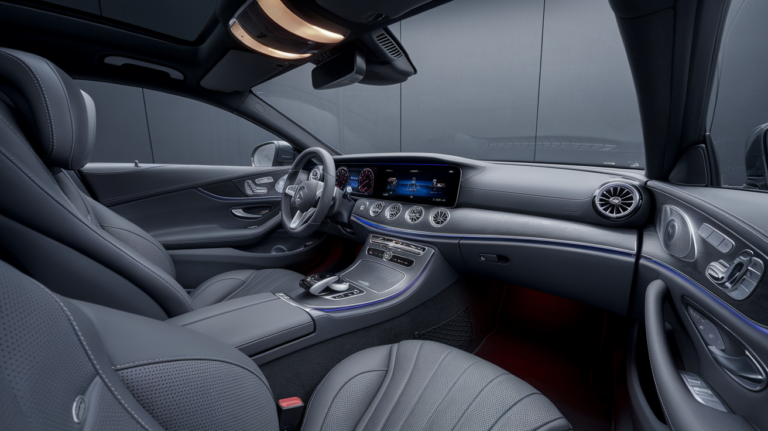
C-Class, E-Class, S-Class, GLC, GLE, GLS, G-Class, AMG, and other Mercedes interiors differ by generation and equipment. The badge does not establish the upholstery specification. A VIN or trim code may help with parts later, but it is not required to start an inquiry.
Follow the aftercare for the actual material and repair product. Fresh coatings or adhesives may need time before cleaning or heavy use. Ask when the repaired seat, wheel, or trim can return to normal use rather than assuming every repair is ready immediately.
Review the repaired areas in ordinary light and compare them with the agreed scope. Check edges, seams, accessible panel gaps, and the controls involved in the job. Raise a concern during handover so the workshop can explain or inspect it.
Review the itemized work, selected materials or replacement parts, and material-specific care instructions at collection. Confirm when cleaning and normal use can resume. Ask for the applicable parts and workmanship terms in writing before approval; coverage depends on the selected work and does not automatically extend to pre-existing faults.
If several areas need work, ask for priorities. Resolving an active water leak or an unsafe seat comes before a color refresh. Sound trim elsewhere can remain untouched, helping you direct the budget toward the areas you use and notice most.
Limited seat surface repairs are estimated at AED 350–650 per area; one seat panel is AED 900–1,500, and a conventional headliner is AED 1,000–1,800. These planning figures include VAT for the stated scope. Several cabin areas need an itemized estimate after inspection.
Possibly, if the car remains safe and no dismantling is needed first. Agree material selection, ordering, the workshop booking, and the expected period without the car together. Do not assume the repair can start immediately when a special material is required.
Yes, when the surrounding material and support are suitable. Local repair, one-panel replacement, and individual trim work are alternatives to a complete retrim. Inspection determines which option is realistic.
We compare color, grain, sheen, and nearby wear before agreeing the finish. Aging, previous coatings, and unavailable materials can leave a visible difference. We explain that possibility before you approve the work.
A small isolated bond issue differs from widespread backing failure. If the foam has deteriorated, simply applying more adhesive may not provide a lasting repair. The lining and board need inspection.
Normal preparation and cleanup of the repaired area are part of the described work. Full cabin detailing, odor treatment, carpet extraction, and other cleaning should be itemized separately.
Describe the fault when booking. Electrical diagnosis can be arranged separately from upholstery work. A damaged cover does not establish why a motor, heater, switch, or warning system is not working.
Yes. A wide view and a close-up in daylight can help the first discussion. Photos cannot confirm hidden mounts, foam condition, material flexibility, or every color difference, so a final quote may require inspection.
That depends on access, materials, curing, and the number of areas involved. We confirm the expected collection time with the quote. Custom material orders or hidden damage can extend it.
Mention your location and preferred day. Availability, transport arrangements, and any charge need to be agreed before collection. Do not assume pickup is included in a repair estimate.
Tell us the Mercedes model and what is worn, loose, or damaged. Photos are welcome if convenient. We can discuss a focused repair or several areas together without requiring you to identify the material yourself.
For covering materials and the wider service range, explore our Mercedes upholstery services. This interior service brings trim, carpet, support, and multiple cabin concerns into one repair plan. Looking for Mercedes interior repair near you? Visit 39, Al Quoz 4, Dubai. Arrange the appointment before traveling from Business Bay, Jumeirah, Downtown Dubai, or another emirate.
Send the model and damaged area to discuss repair choices, then arrange an inspection for an itemized quote. Confirm any inspection charge and appointment availability before the visit.