Mercedes guide
Can Traditional Mercedes Mechanics Adapt to Electric Vehicles
Mechanical experience remains useful, but EV work needs defined training, suitable equipment, software access and clear limits.
Traditional Mercedes mechanics can remain valuable as electric vehicles grow, provided they add the training, equipment and diagnostic skills required for the work they accept. Mechanical experience still matters. High-voltage competence and software access must be demonstrated separately, not assumed from years spent repairing engines.
The useful question for an owner is which workshop can safely handle this particular job. A tire inspection, a charging complaint and an internal traction-battery repair have different requirements. A capable garage should explain its scope and refer work beyond its competence.
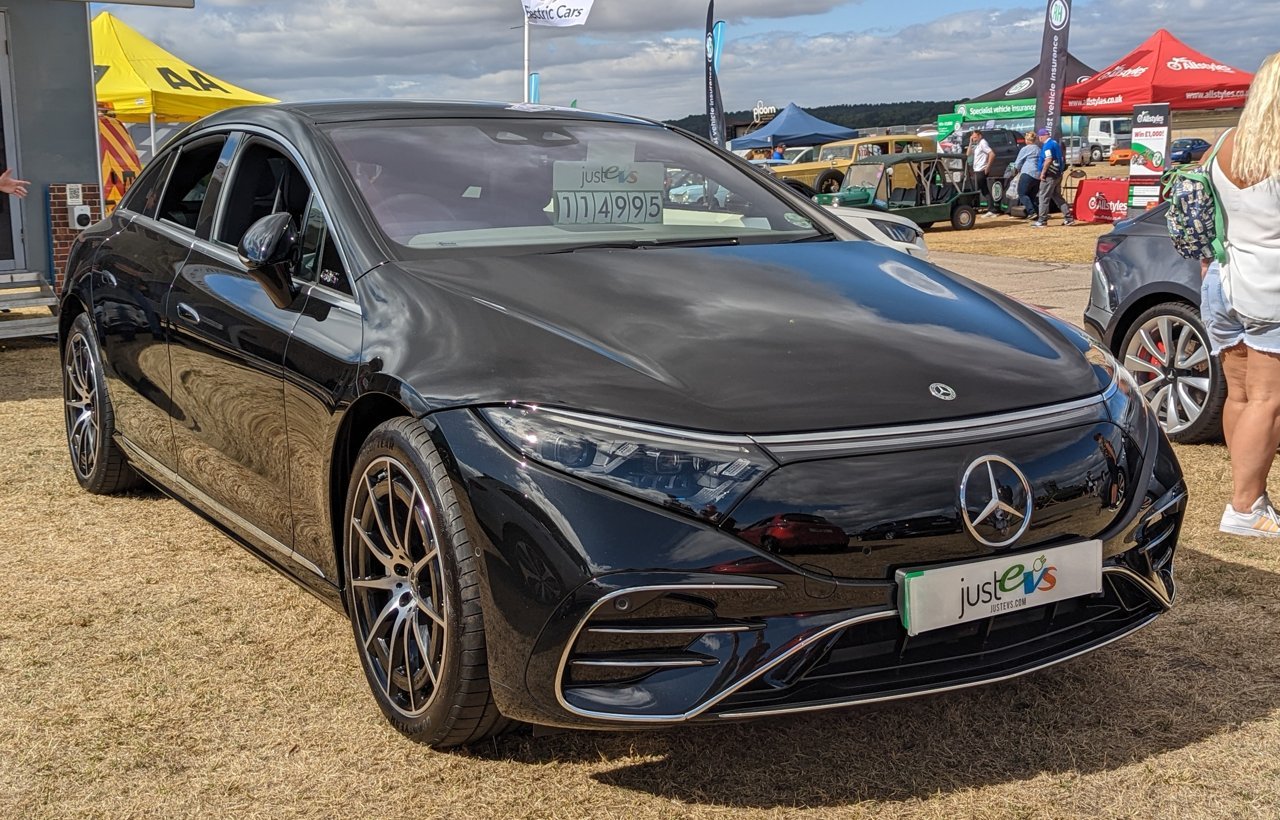
Photo: Calreyn88 · CC BY-SA 4.0 · Resized reference image
Mechanical skills still have a place
An electric Mercedes still has tires, wheels, suspension joints, steering, friction brakes, body hardware and cabin systems. These need accurate inspection and, when justified, repair. Experience locating a noise, measuring wear and checking a repair remains useful even when there is no combustion engine.
Good mechanics also bring a method: listen to the complaint, reproduce it safely, inspect likely causes, test a hypothesis and verify the result. That reasoning transfers better than memorizing a list of common replacement parts. A new powertrain changes the evidence required, not the value of disciplined diagnosis.
Some familiar revenue sources do disappear from a battery-electric vehicle, including engine-oil changes, spark plugs and exhaust repairs. Selling a gasoline service package to an EV is therefore inappropriate. The workshop must identify maintenance that actually belongs to the model.
Hybrids complicate the picture because combustion and electrical systems coexist. A plug-in hybrid is not serviced exactly like a battery-electric EQ model. The vehicle identification number, or VIN, powertrain and original market should be established before the workshop plans the job.
| Existing skill | Useful EV application | Additional boundary |
|---|---|---|
| Brake and chassis inspection | Measured wear, damage, noise and alignment assessment | Vehicle-specific lifting, brake and electrical precautions |
| Electrical fault tracing | Low-voltage supply, communication and sensor investigation | Distinguish low voltage from high-voltage circuits |
| Cooling-system reasoning | Find leaks and assess thermal-management complaints | Identify the circuit and high-voltage components involved |
| Diagnostic discipline | Connect symptoms with test evidence | Correct software access, procedures and trained personnel |
Training should match the task
EV awareness, routine maintenance competence and high-voltage repair competence are different capabilities. A person trained to move or inspect a vehicle is not automatically qualified to isolate its high-voltage system or open a battery assembly. Job allocation should make those distinctions clear.
Mercedes’ own technical training pathways combine mechanical and electronic knowledge and include a system and high-voltage specialization. This demonstrates the direction of skills development; it does not establish that an independent workshop or a particular technician holds those qualifications.
For owners, useful questions are concrete. What training covers the proposed operation? Who is responsible for the work? Does the workshop have the current information and equipment for your exact model? A framed certificate without a stated scope may not answer those questions.
For an established mechanic, the practical transition is staged. Identify the jobs the workshop already performs competently, assess new hazards and information needs, train for a defined next level, and verify that the facilities support it. Buying a diagnostic device alone does not complete that transition.
Continuing competence matters because vehicle platforms and procedures differ. A technician should recognize when an unfamiliar design requires further information or referral. Refusing an unsupported operation is sound professional judgment, not evidence that traditional mechanical experience has become worthless.
High-voltage isolation is a controlled workshop process
Switching an EV off does not establish that its high-voltage components are safe to touch. The UK Health and Safety Executive’s electric and hybrid vehicle guidance describes additional hazards and task-dependent competence. Its guidance is a safety reference, not a statement of UAE licensing law.
Where the operation requires it, trained personnel must follow the vehicle-specific isolation procedure, prevent unintended reactivation and verify the relevant system is de-energized using suitable equipment. Stored energy can remain, and the battery assembly itself is not made harmless by disconnecting it from the vehicle.
That process needs an appropriate work area, controlled access and the protection specified for the task. Collision-damaged vehicles can need a different assessment. This article is not an isolation procedure: owners should not disconnect orange cables, remove service disconnects or open high-voltage housings.
A workshop should be able to explain who controls the job and whether a specialist is needed. The owner does not need to supervise electrical testing, but should know whether the proposed work is low-voltage diagnosis, vehicle isolation or internal high-voltage repair.
Software diagnostics need evidence
Modern Mercedes vehicles already combine mechanical systems with networked electronic control units. Electric models expand the importance of that relationship. A technician needs to interpret fault information alongside the operating conditions, electrical supply and physical system being controlled.
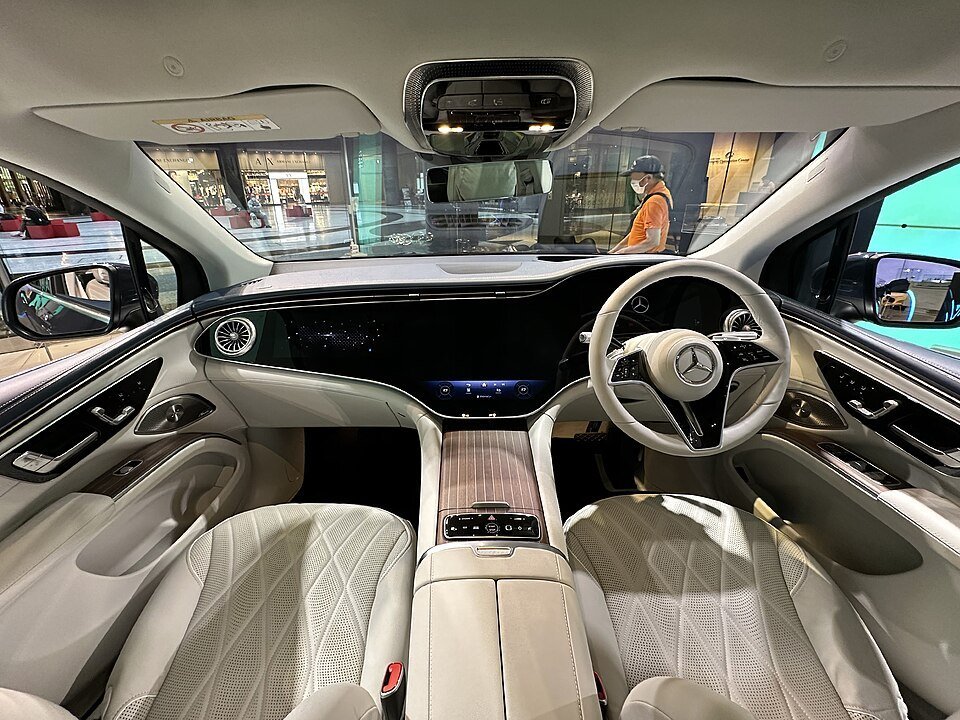
Photo: Tokumeigakarinoaoshima · CC BY-SA 4.0 · Resized reference image
A stored code can identify an affected circuit, communication problem or detected condition. It does not necessarily identify the component that caused it. Several warnings may be secondary to another fault, so replacing each named module is not a sound diagnostic strategy.
Ask the workshop what test distinguishes the proposed cause from alternatives. If a vehicle will not charge, the investigation may need to separate charging equipment, vehicle settings, connection conditions and a vehicle fault. One failed charging attempt does not establish a failed traction battery.
Software access is also specific. A tool that reads fault codes does not necessarily support manufacturer-guided tests, programming or every security-protected operation. The workshop should identify what its access permits for the exact vehicle rather than claim universal coverage from a familiar tool name.
In my view, the mechanics best placed to adapt are those who already document their reasoning. EV diagnosis rewards the ability to explain what a measurement establishes and what it cannot prove. Confident parts replacement without that explanation can become expensive regardless of powertrain.
Updates are different from coding and adaptation
An over-the-air update is delivered through the vehicle’s supported connected system. Workshop programming changes software in a control unit using the applicable process. Coding concerns configuration, while adaptation or initialization establishes values or positions required by a particular system or repair.
Those operations can be related, but they are not interchangeable. A workshop should name the action, affected system and vehicle-specific reason. A campaign, applicable update instruction or diagnostic finding can justify software work. The arrival of another calendar year alone does not.
Do not buy an annual software update as a universal cure for poor range, charging trouble or warning lamps. A damaged connection, physical leak or worn component still needs the appropriate repair. Successful programming also does not prove that the original complaint has been resolved.
Check VIN-specific campaigns through the authorized Mercedes route for the relevant vehicle and market. An overseas announcement does not establish UAE eligibility, and a feature update does not automatically apply to every screen or control unit carrying the same branding.
After justified programming, ask for confirmation of completion and a check of the original symptom. The invoice should identify the work performed without promising new battery capacity, guaranteed range gains or restored mechanical condition.
Regeneration does not remove friction brakes
Regenerative braking recovers energy through the electric drive system. Friction brakes still provide braking as required by the vehicle’s control strategy and operating conditions. The driver must follow the manual because available recuperation and deceleration can change.
Mercedes’ EQS technical description explains energy recovery together with wheel braking and thermal management. It illustrates how connected the systems are. The quoted model’s strategy should not be treated as a specification for every Mercedes EV or hybrid.
A brake inspection should address actual pad and disc condition, corrosion, operation, fluid requirements and any reported symptom. Lower friction-brake use in some driving conditions does not mean that brakes never need maintenance, and it does not create a fixed replacement interval.
There is no basis here for prescribing annual regeneration tuning. A warning, unusual braking behavior or applicable manufacturer instruction may justify diagnosis or a defined procedure. The workshop should explain the reason rather than sell routine optimization with an unsupported promise of longer battery life.
If braking feels abnormal or a serious warning appears, stop safely and seek qualified assistance. Do not experiment with driving modes to decide whether the car is safe or assume that stronger regeneration compensates for a friction-brake fault.
Thermal management combines familiar and new work
Electric powertrains still need temperature control. Depending on the vehicle, pumps, heat exchangers, valves, refrigerant components and separate cooling circuits serve different functions. A mechanic’s understanding of fluid flow and heat transfer remains useful, but the circuit layout must come from the actual model.
A cabin-cooling complaint can involve airflow, air mixing, refrigerant performance or controls. On an EV, work may also involve an electrically driven compressor or thermal functions related to the powertrain. A familiar AC symptom does not authorize treating the system like a conventional belt-driven installation.
Ask which circuit is affected and which findings support the repair. The workshop needs the specified fluids, equipment and precautions. It should not mix products or apply a generic flushing method because another Mercedes uses a superficially similar component.
Dubai heat and dust make operating conditions relevant to a complaint, but they do not prove a particular failure or establish one shortened service interval. Record whether the issue occurs after charging, in traffic or during sustained cooling demand, then let appropriate tests guide the decision.
Repeated fluid loss, overheating messages or reduced-power warnings need assessment. Owners should not open hot systems or dismantle thermal components. Maintaining the correct operating conditions can support reliable use, but no inspection can guarantee a traction battery’s exact remaining life.
A battery assessment is not a replacement verdict
State of charge describes available charge at that time. Battery health concerns longer-term condition and capability. A low charge level, a changed range estimate and a diagnosed high-voltage fault are different observations and should not be collapsed into one recommendation.
Displayed range also depends on operating conditions and consumption. A single dashboard reading cannot establish the cost or necessity of battery replacement. Ask what assessment was performed, which result was obtained and what limitations apply to that result.
If internal battery work is proposed, the repairability and approved procedure depend on the actual battery design and fault. A module, complete pack, control component and cooling-related repair are different scopes. Do not assume that every pack supports the same module-level repair.
Compare a repair with replacement only after those facts are established. The quote should identify the assembly, condition, labor, necessary handling and checks, fluids or software work where applicable, coverage and payable tax basis. A part-only price cannot represent the complete job.
No universal Mercedes high-voltage battery or module price is given here. Without model, battery configuration, fault and repair scope, an attractive range can be misleading. A diagnosis that shows no battery defect may justify investigating another system or making no battery purchase at all.
Keep owner observations safe and useful
Owners can record the exact charging message, station type, session conditions and whether the problem occurs repeatedly. The applicable manual explains normal charging operation and restrictions. Do not force a connector, probe terminals or keep using equipment that is damaged or unusually hot.
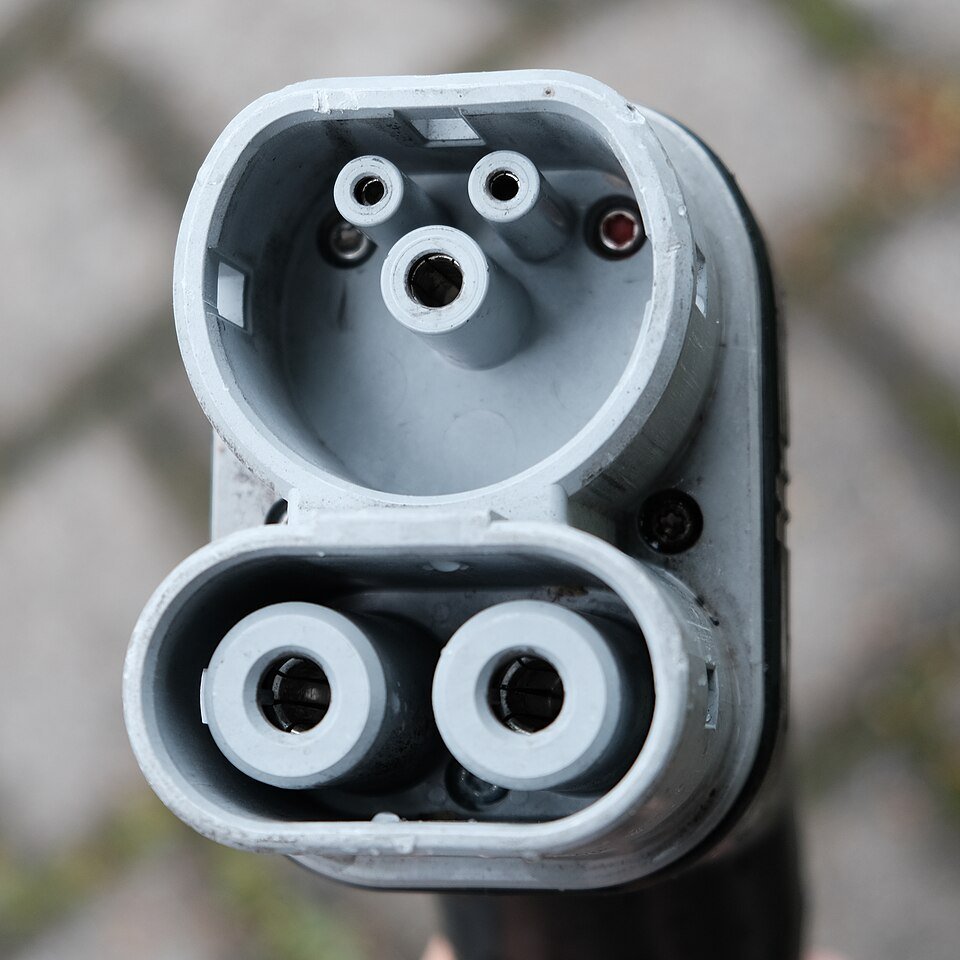
Photo: Danilo Bargen · CC BY-SA 4.0 · Resized reference image
Where normal use remains safe, a record of which approved charging situations work can help distinguish an isolated station problem from a repeat vehicle concern. This is information for diagnosis, not a recommendation to keep retrying after a warning, burning smell or damaged connection.
The 2022 EQS owner manual is one model-specific example. Use the corresponding manual for your own vehicle and market, particularly for warnings, charging equipment and recovery instructions.
For smoke, a burning smell, unusual heat after damage or a serious electrical warning, stop safely, move away when fire is suspected and contact emergency or recovery assistance as appropriate. Do not charge a damaged vehicle or attempt an owner-level high-voltage diagnosis.
Tell the recovery provider that the car is electric and describe any collision, water exposure or battery-area damage. Recovery must follow the applicable vehicle instructions. Ordinary towing assumptions from a gasoline car may not be suitable.
How a traditional workshop can adapt
A sensible transition starts with a capability inventory. List the vehicles and operations the team can support, the training required, the equipment available and the work that needs referral. This is more useful than announcing complete EV expertise before the practical support exists.
Next, connect training to actual jobs. A technician learning EV chassis work needs relevant vehicle precautions and lifting information. A person undertaking high-voltage diagnosis needs a different competence level, procedures and equipment. A workshop can build these capabilities progressively without pretending they are equivalent.
Information access, tooling and space should follow the intended scope. Battery handling, secure work areas and specialist testing can involve significant commitments. A referral relationship may be the appropriate choice when demand or facilities do not support a particular operation.
Quality control should remain visible in the workflow. Record the original complaint, diagnosis, approved repair and completion checks. If software or a component changes, verify the relevant function instead of relying only on an empty fault-memory screen.
The business outcome remains uncertain. Local demand, investment, staffing and customer trust all influence whether a workshop thrives. No article can guarantee that every traditional mechanic will survive unchanged or that every EV specialist will succeed.
What owners should ask before booking
Choose capability by the proposed task rather than a broad label such as EV expert. An honest answer about limits is valuable. It prevents the car from being accepted for work that the available people, equipment or information cannot support.
- Do you support this exact model and the operation being discussed?
- Who will perform the work, and what relevant training do they have?
- What does the initial assessment include and when do additional charges start?
- Will you explain test findings before requesting approval for parts?
- Which work is performed here and which requires referral?
- What completion checks and written coverage apply?
A general business license, access to a scan tool and a claim of years of Mercedes experience answer different questions. None should be used alone as proof of high-voltage competence. Ask for current, relevant evidence without expecting a service advisor to disclose another customer’s private job records.
For a maintenance-only visit, check the model-specific due list. For a fault, agree on an initial diagnostic scope and approval limit. Keep campaign eligibility and warranty assessment separate so you do not approve paid work before understanding whether another route applies.
Questions about the skills transition
Will EVs eliminate mechanical repair work?
No. Chassis, brakes, tires and many body systems remain. The mix of jobs changes, while electrical and software competence become increasingly important for the work a workshop chooses to accept.
Does a scan tool qualify someone to repair a battery?
No. Tool access, task-specific competence, vehicle information and suitable facilities are separate requirements. Reading codes does not authorize internal high-voltage repair.
Should every EV receive an annual software update?
No universal annual programming requirement is established here. Use applicable vehicle updates, campaigns and diagnosis to justify the particular operation.
Is a battery module price the same as a battery replacement price?
No. Module, pack, control and cooling repairs have different scopes. The vehicle and fault must be identified before comparing complete fitted quotations.
Is referring a job a sign of a poor workshop?
No. Recognizing a capability limit can protect the owner and the vehicle. Ask who will do the specialist work and how responsibility, price and completion checks will be handled.
Experience remains useful when capability grows with it
The transition favors mechanics who combine careful physical diagnosis with appropriate electrical training, software knowledge and clear limits. Owners should look for that combination in the exact job they need. The badge on the workshop matters less than evidence that its people and process fit the task.
Confirm support for your Mercedes before booking
Contact MercGarage with the model, year, warning and work you need. Ask the team to confirm current capability and whether specialist referral is required before arranging transport. This article does not establish that MercGarage performs internal high-voltage battery repair or holds a particular EV certification.